|
Install Insulation
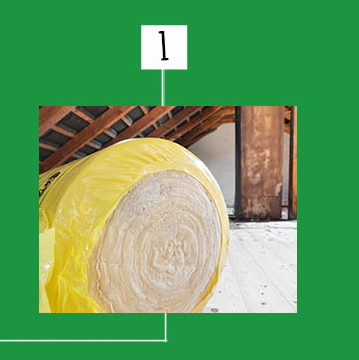
Insulation in the loft and walls keeps cold air out during the winter and warm air out during the summer. It also helps to maintain more constant temperatures indoors. The Energy Saving Trust estimates that you can save as much as £140 a year by insulating the loft or £15 by topping off existing installation. Adding insulation to your walls could save as much as £160 a year. Both treatments will pay for themselves in just a couple of years; they will also make your home more comfortable and valuable if you choose to sell it.
|
 |
 |
Install LED Lighting
Updating any traditional lighting in your home to LED alternatives can provide a significant reduction in energy consumption. LED lighting provides just as much illumination without using nearly as much power and is particularly efficient when combined with smart controls. Switching to LED lighting could save an average home around £230 per year in energy costs according to Comparethemarket.com. Bulbs also last significantly longer than conventional filament bulbs and are cool to the touch making them safer, especially for children.
|
|
Use Heat From The Oven
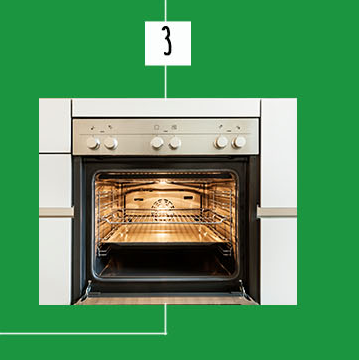
It might not seem like much, but we let an awful lot of heat escape after cooking. Rather than turning off the appliance and using an extractor fan to get rid of the heat, open your oven door and allow the heat to escape into your home. You might be surprised by just how warm your house can stay by using this excess heat. Obviously, this tip is only useful during the colder months when your boiler is on.
|
 |
 |
Pack the Fridge and Freezer
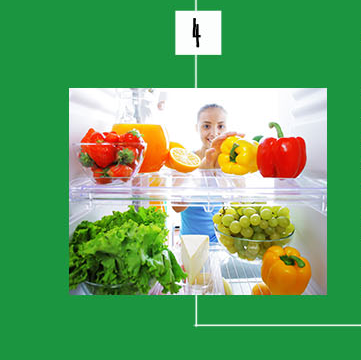
When the fridge and freezer are full, there is less air to keep cool. This makes for more efficient units that use less energy. You might consider scheduling weekly or biweekly trips to the supermarket in order to maintain the fridge and freezer packed for as long as possible. That’s not to say you should waste food to save energy because that is not good either. Nonetheless, loading them up and then slowly using the food over two weeks is more energy-efficient than making multiple trips to the shops every couple of days.
|
|
Use The Dishwasher Wiseley
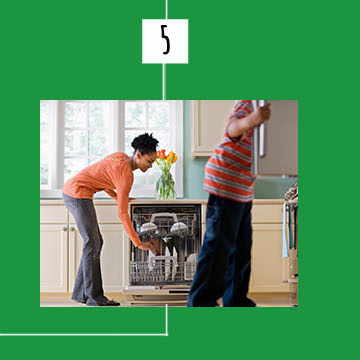
A dishwasher is a great appliance that saves time and water. However, to get the most savings, it needs to be used wisely. Do not pre-rinse your dishes prior to putting them in the dishwasher – as long as the appliance is capable of still getting the dishes clean. Instead, just scrape the waste into the bin and load. You can save more money by skipping the heat-based dry cycle. Open the dishwasher door and allow the dishes to air-dry instead.
|
 |
 |
Clothing: Wash Full Loads
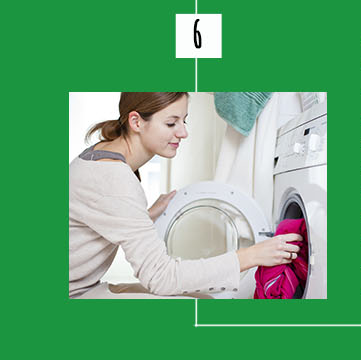
Instead of washing multiple small loads of laundry every day, wait several days until you have enough for a full load. If you use an electric clothes dryer, doing larger loads on the same day saves money here as well. The second and third loads in the dryer will have the advantage of residual heat from the loads before. Better yet, drying your clothes on a line saves even more energy. Hang clothes outdoors during the summer and in the utility space during the winter.safer, especially for children.
|
|
Low-Pressure Shower Heads
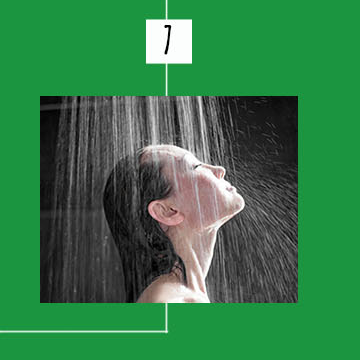
High-pressure showerheads may feel good on the back and shoulders, but it also uses a lot more water. uSwitch.com says high-pressure power showers can use more water than a bath in some cases. For maximum savings, get a low-flow showerhead and learn to take quick showers. The Energy Saving Trust says you might be able to get an extremely efficient showerhead free of charge from your water company. They estimate that the average family of four could save more than £160 per year with an energy-efficient showerhead.
|
 |
 |
Adjust The Thermostat
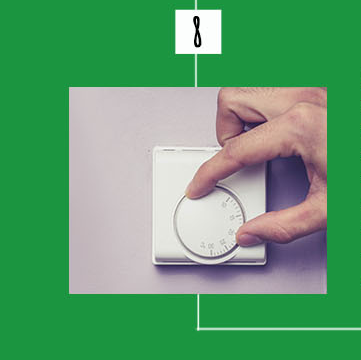
The good people at uSwitch.com explain that turning down your thermostat by just 1° during the winter could save as much as £60 per year on heating costs. uSwitch also says to avoid significant temperature swings when you programme the thermostat. Keeping a more consistent temperature at a lower level uses less energy than continually heating up and cooling down.
|
|
Sun and Shade
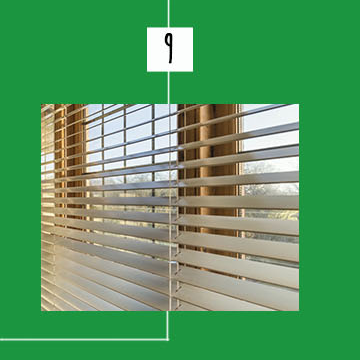
Learning how to take advantage of sunlight and shade can go a long way toward saving on heating bills. In the winter, use the bright sunlight from mid-morning to late afternoon to heat your home – just by opening the blinds and curtains. Keep those same blinds and curtains closed during the summer months to reduce heat build-up in interior spaces. Controlling the amount of sunlight that enters your home makes it easier to control your thermostat.
|
 |
 |
Look at Renewables
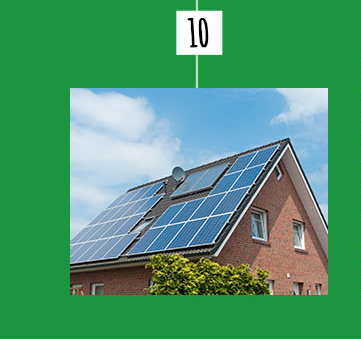
If you own your home and have a little money to spend, you might consider looking at some renewable strategies. Photovoltaic solar systems can generate electricity while solar thermal uses the sun’s rays to produce space heat and hot water. Both are great ways to supplement the energy you purchase from the grid. Along the same lines, look for energy-efficient models when it is time to replace appliances and your boiler.
|


